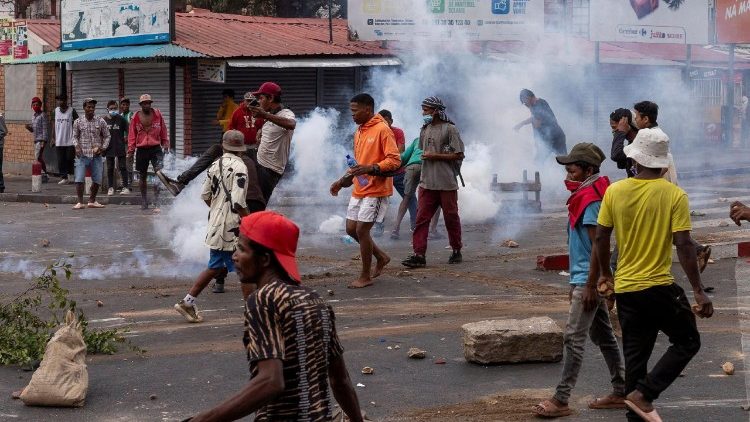


Across the continents, a new generation is taking to the streets, demanding accountability, equity, and basic dignity. From North Africa to Southeast Asia, Gen Z protesters are challenging entrenched systems of governance, corruption, and neglect. Their grievances are rooted in economic hardship, poor public services, and a growing sense of exclusion from decision-making.
In Morocco, Madagascar, Nepal, and Indonesia, the youth are no longer silent, and their message is reverberating globally.
Morocco: Stadiums over hospitals
In Morocco, the spark was lit by the government’s decision to invest heavily in football stadiums for the 2030 FIFA World Cup while hospitals and schools languish in disrepair. The protests, which began on Saturday, have spread rapidly across major cities, including Rabat, Casablanca, Tangier, and Marrakesh. At least two people were killed in Lqliaa, near Agadir, after police opened fire to prevent protesters from storming a station.
“Stadiums are here, but where are the hospitals?” has become a rallying cry for the movement known as GenZ 212 — named after Morocco’s international dialling code.
One protester from Oujda told BBC Newsday, “The hospital in my city is like a jail. It’s dirty, and patients have to bribe security officers and nurses to see a doctor.”
The protests have largely been organised through social media, with no formal leadership. The Interior Ministry initially affirmed the right to protest, but later justified the use of force as “legitimate self-defence.”
More than 409 people have been detained, and over 260 police officers have been injured. The youth unemployment rate stands at a staggering 35.8%, with 19% among graduates, according to Reuters.
Morocco’s governing coalition has expressed willingness to engage in dialogue “within institutions and public spaces to find realistic solutions.” But for many Gen Z protesters, the issue is not just about infrastructure; it’s about priorities and dignity.
Madagascar and Nepal: Demanding basic services and systemic change
In Madagascar, protests erupted on September 25, initially over water shortages and power blackouts, but quickly escalated into calls for President Andry Rajoelina’s resignation.
Despite dissolving his government on Monday, Rajoelina failed to quell public anger. “We need water, we need electricity, Rajoelina out,” read placards waved by protesters in Antananarivo and other cities.
The United Nations reported at least 22 deaths and over 100 injuries, though the government disputes these figures. A 26-year-old activist told reporters, “When he decided to dissolve the government, we felt like it was a small victory, but we will not stop there.
“We really want a radical change of the system because it’s the system that maintains the corruption and also maintains the oppression of the poorest people in the country.”
Madagascar, one of the world’s poorest nations, has an average annual income of just $545 and ranks 140th on Transparency International’s Corruption Perceptions Index.
The Gen Z movement there is leaderless but organised, demanding the dissolution of parliament, electoral reforms, and the removal of corrupt officials.
In Nepal, similar frustrations led to the resignation of the prime minister in August, following sustained pressure from student and youth groups.
Youth-led protests, inspired by movements in Kenya and Indonesia, focused on unemployment, corruption, and the lack of opportunities for young people. The demonstrations were largely peaceful but persistent, forcing the government to concede.
Indonesia: Fight against surveillance and corruption
In Indonesia, Gen Z protesters have mobilised and gained momentum in early to mid-2025, with peak demonstrations occurring in July and August 2025, focused on digital surveillance, corruption, and civil liberties.
The protests, which gained momentum in Jakarta and other urban centres, were sparked by revelations of government contracts with foreign surveillance firms and the misuse of cybercrime laws to silence dissent.
Young Indonesians have used encrypted messaging apps and social media to organise rallies, share evidence of abuse, and demand reforms. Their demands include the repeal of vague cybercrime laws, transparency in government spending, and protection for whistleblowers.
The Indonesian protests have drawn support from civil society groups and international digital rights organisations. While the government has promised reforms, activists remain sceptical. “We are not just fighting for ourselves,” said one protester. “We are fighting for the future of democracy in Indonesia.”
Generation united by frustration
What unites these movements is a shared sense of betrayal. Gen Zs across these countries feel abandoned by governments that prioritise prestige projects, political survival, or elite interests over basic public needs. They are digitally savvy, socially conscious, and unafraid to challenge authority.
In Morocco, the anger is about misplaced priorities. In Madagascar, it’s about survival. In Nepal, it’s about opportunity. In Indonesia, it’s about freedom. Across these nations, Gen Z is demanding more than reforms; they are demanding a new social contract.
Governments have responded with a mix of concessions and crackdowns. Some have dissolved cabinets, others have promised dialogue. But the youth are not easily placated. Their demands are clear: dignity, transparency, and inclusion.
As one activist in Madagascar put it, “We do not want a coup d’état, because a coup d’état destroys a nation… but we will not stop until the system changes.”
The Gen Z uprisings are not isolated events. They are part of a global wave of youth-led resistance that is reshaping civic space and redefining the relationship between citizens and the state. Whether governments listen or suppress, the message is clear – the youth are awake, and they are not backing down.
@Daily Trust