

Power in Nigeria does not shout. It waits. It moves silently, through files, through whispers, through the subtle shifting of alliances. A nomination stalls. Doors close without a word. Committees awaken with sudden urgency. Somewhere in the capital, a former ally calls it what he fears it is: a witch hunt.
That is how wars begin in Abuja.
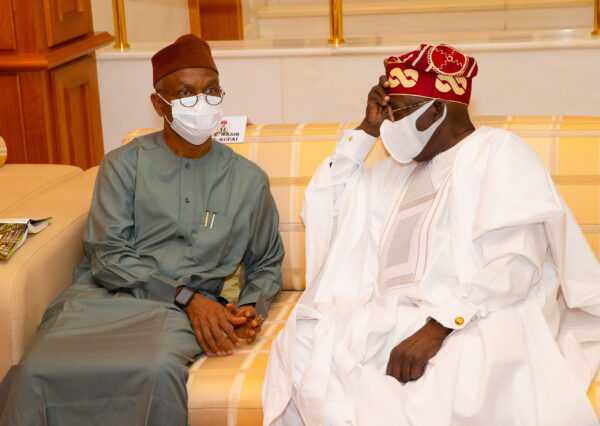
There was a time when Nasir El-Rufai and Bola Ahmed Tinubu looked like a synchronized machine. One brought northern elite leverage and unapologetic aggression. The other brought long-cultivated networks and the patience of a political marathoner. Under the All Progressives Congress, they were architects of a victory many thought impossible.
El Rufai brought northern networks, technocratic confidence, and blunt decisiveness. Tinubu brought machinery, coalition engineering, and decades-long mastery of political patronage. Together, they midwifed a victory that reshaped the political landscape.
But political marriages in Nigeria are rarely romantic. They are contractual. And contracts expire.
It was not love. It was necessity.
El Rufai defended the ticket when it was unfashionable. He confronted critics. He argued arithmetic. He projected certainty. Tinubu secured the presidency.
Then came the first fracture.
The ministerial nomination that did not mature. Security concerns cited. Access denied. In Nigerian politics, exclusion is louder than insult. Removal from proximity is never administrative. It is strategic.
Pressure intensified. Investigations into Kaduna administration gathered speed. Financial decisions revisited. Probes announced. Political opponents emboldened. El Rufai did not whisper his response. He called it what he believed it to be: a witch hunt.
Timing is the oxygen of suspicion. When scrutiny accelerates as an alliance cools, people see choreography, not coincidence.
Is this accountability? Or leverage?
Every move is observed. Every statement dissected. The former ally, once untouchable, senses tremors beneath the surface. Committees convene. Advisors murmur. The public sees procedure; insiders see a recalibration of power. One misstep now could erase years of influence. The silent question haunts every corridor. If the system can contain one of its most loyal architects, who is truly secure at the top?
That question hovers over the capital like harmattan dust.
Beyond the immediate battlefield, another map is being studied.
The African Democratic Congress is no longer background noise. It is terrain. A platform where dissatisfied heavyweights might regroup. A rehearsal stage for 2027. A pressure valve.
In power politics, the mere possibility of defection is destabilizing.
A critic can be attacked. A rival can be contained. But a defector carries intelligence and in politics, defection is what leaders fear more than anything else. A defector holds secrets, maps, and leverage. It is invisible, deadly, and capable of unseating kings without a single battle fought.
Unpredictability unsettles systems.
The same hard-edged style that helped consolidate victory now feeds tension. The same strategic confidence that once projected unity now fuels speculation.
Two tacticians operate from different coordinates. One governs from the center. The other navigates scrutiny and recalibration. Nigerian politics is rarely about ideology. It is about positioning. Survival. Influence.
Files move. Statements issued. Silence deepens. Coalitions whisper.
While this unfolds, the country absorbs economic strain. Inflation does not care about elite chess. Security challenges do not pause for maneuvering. Citizens are less interested in rivalries and more interested in stability.
And that is the real danger.
When power becomes preoccupied with itself, governance slows. When alliances fracture, confidence weakens. When confidence weakens, economies tremble.
Behind the public calm, calculations are ruthless. Whispered warnings travel faster than official statements. Advisors weigh options in private, knowing a single misstep could redraw the map of influence overnight.
The question is no longer whether the bromance has ended. It is whether this moment marks a temporary cooling or the early tremor of a broader political realignment ahead of 2027.
History has shown that Nigerian politics forgives quickly when interests align. It has also shown that former allies can become the most formidable opponents.
If this is accountability, it must be transparent and institutional. If it is politics, it will eventually reveal itself.
In Nigeria, alliances are tools. Survival is doctrine. And when survival becomes the dominant instinct at the highest levels of power, the ground always shifts beneath everyone else.
One day, historians will pause on this moment. They will ask how alliances once thought unbreakable dissolved in silence, how the architects of victory found themselves navigating scrutiny and survival, and how a single recalibration at the top sent tremors across the nation. Whether this becomes a story of accountability or ambition, one truth will remain, power in Nigeria does not forgive complacency, and those who shape it are forever tested by the consequences of their own making.
Stepahnie Shaakaa is a columnist with Vanguard