Daily Trust Editorial, March 16, 2026
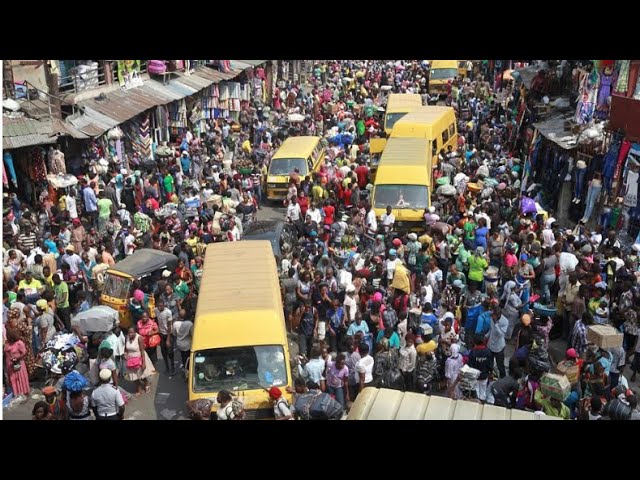
The United States and Israel’s war on Iran in the Middle East, thousands of kilometres from Nigeria, is having ripple effects on the living conditions of Nigerians. It directly worsens economic hardship, security challenges, and the cost of living, making life tougher for ordinary Nigerians. Almost three weeks into the war, the pump price of petroleum products has skyrocketed nearly 50 per cent, leading to higher transportation costs, food prices, and prices of other essential goods. For Nigerians, who have been reeling under the heavy burden of President Bola Ahmed Tinubu’s ‘economic reforms,’ this additional burden from the war in Iran is excruciating.
Nigeria began to feel the impact of the geopolitical war in the Middle East immediately, even though this country is one of the world’s oil-producing countries; petroleum products consumed locally are still being imported. The country’s vulnerability manifested in the instant jerk up of fuel prices, in spite of the funds pumped into local refineries and the production capacity of Dangote Petroleum Refinery and Petrochemicals.
Tinubu government’s response to the crisis and its impact in Nigeria was trite. It issued a warning that the Iran conflicts would directly inflate Nigeria’s fuel bill, and that’s why the shift to CNG was being positioned as a long-term solution. At the government’s meeting last week about the impact of the crisis on the economy, no immediate relief measures were announced, other than the promise that 100,000 Compressed Natural Gas (CNG) kits would be rolled out to enable more Nigerians to convert their vehicles from petrol engines to become CNGcompliant.
Shockingly, the Federal Government is taking the suffering Nigerians are exposed to with levity. Before the war, the purchasing power of Nigerians was one of the lowest in Africa, not to mention the world. Nigeria is not among the top 10 countries in Africa with the highest purchasing power, despite being Africa’s largest economy by Gross Domestic Product (GDP). The reason for this is not far-fetched; high inflation and weak naira, have eroded Nigerians’ purchasing power.
Countries like Seychelles and Mauritius, though smaller, rank higher because their citizens can buy more with their incomes after adjusting for the cost of living. Based on 2025 estimates, Nigeria sits much closer to 16th–18th place on some dataset on PPP. The Iran War has worsened the situation, and a promise to roll out 100,000 CNG kits is not a genuine way to cushion the effects of the war on the people. The CNG is cheaper than petrol by between 25 per cent and 30 per cent, but the kits are not available; fuel stations that dispense CNG are either scarce or too few to meet the demand for the product.
In the first week of the war, several countries put in place realistic measures to reduce the impact of the war on the citizens. South Korea, for instance, introduced a historic fuel price cap in 30 years, while the Bank of Korea held interest rates steady at 2.5 per cent but raised its inflation outlook. That means, petrol would not be sold above a controlled price, in spite of the volatility in the energy market. Brazil, in the same spirit, cut federal taxes on diesel and fuel imports to zero, while imposing a 12 per cent tax on crude exports to offset revenue losses.
This keeps domestic fuel prices lower, protecting Brazilian households and transport costs. Even the United States, with its capitalist economic system, has decided to support its citizens through the release of crude from its Strategic Petroleum Reserve in order to stabilise the prices of petroleum products. Apart from this, the government announced that it was monitoring inflationary pressures from surging oil and gas costs, balancing rate hikes against recession risks.
From the foregoing, we call on the federal government to return to the drawing board and come up with measures to reduce the effects of the war on Nigerians. More than ever, this government, through the removal of subsidies on fuel, devaluation of the Naira, inflation, and the aggressive tax drive, has taken much from the ordinary Nigerians and weakened the people’s purchasing power to the bone. It will not be fair to transfer more pain to the people, considering the fact that the high cost of crude oil in the export market portends a huge windfall from the sale of our crude oil.
If anything, the government must take off the burden of the war from the neck of the people with the use of funds from the windfall. Many other countries have taken similar measures; Nigeria should do the same. The word ‘subsidy’ does not have criminal connotation. It was abused during the fuel subsidy regime because the elite in power used it as a pipeline to milk the country’s poor. Any subsidy that can protect the people from the anguish of the war will not be out of place. Nigerians deserve to breathe, not choke to death.