

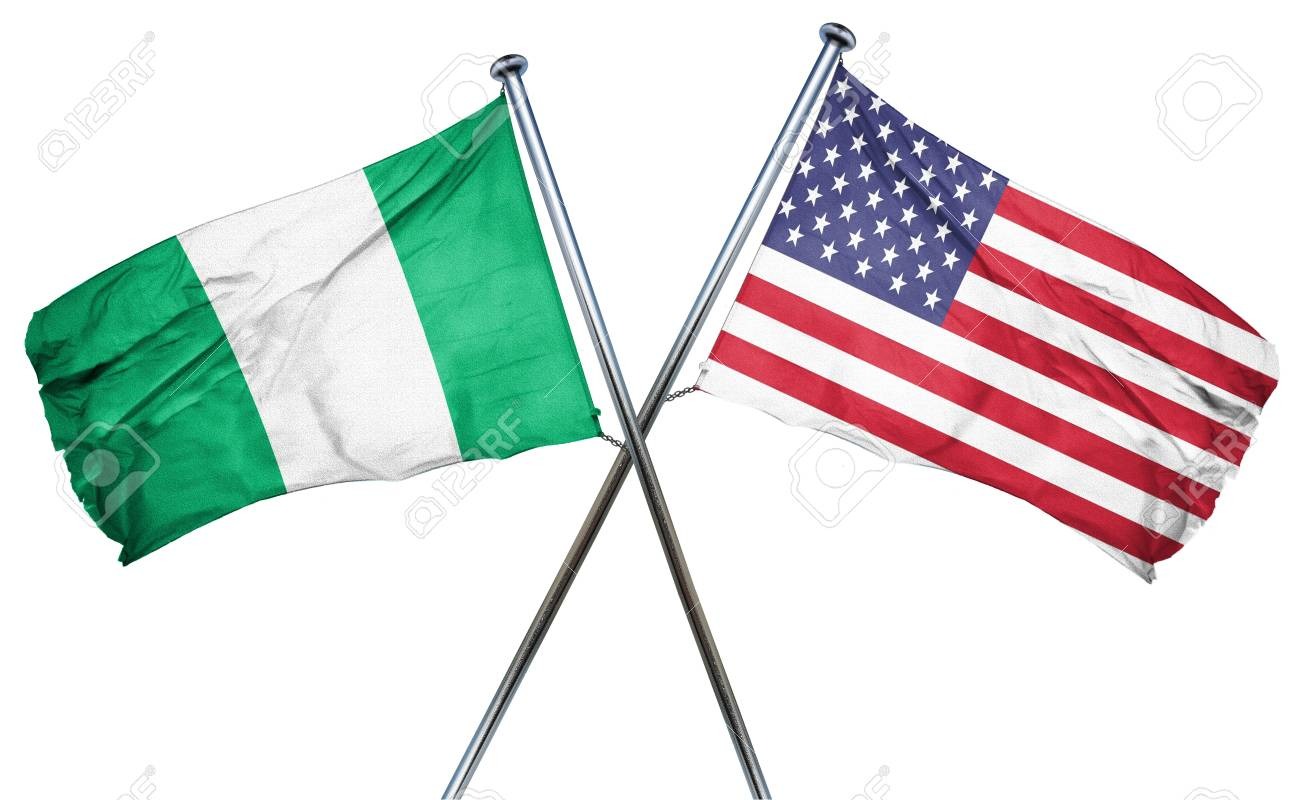
The administration of Donald Trump has opened a trade investigation into Nigeria and 59 other economies over alleged failures to prevent the importation of goods produced through forced labour.

The probe, announced by the Office of the United States Trade Representative (USTR), was launched under Section 301 of the Trade Act of 1974. The investigation will examine whether the trade policies of the affected economies are “unreasonable or discriminatory” and whether they negatively impact American commerce.
According to a notice signed by USTR General Counsel Jennifer Thornton, the investigation officially began on March 12, 2026. Authorities will assess whether Nigeria and the other economies have failed to establish or properly enforce bans on the importation of goods made with forced labour.
Nigeria is among 60 economies listed in the probe, alongside countries and blocs such as China, India, Brazil, South Africa, United Kingdom, Canada, and the European Union.
Nigeria Canadian Newspaper Canada reports that the USTR said the goal of the investigation is to determine whether the absence of strict import restrictions on goods linked to forced labour creates unfair trade conditions that disadvantage American businesses.
“For nearly 100 years, US law has prohibited the importation of goods mined, produced or manufactured wholly or partly with forced labour,” the notice stated, noting that the policy reflects humanitarian, foreign policy, and national security priorities.
US authorities argued that producers using forced labour often gain an unfair cost advantage because their production expenses are significantly lower. As a result, such goods can be sold at cheaper prices, undermining fair competition in global markets.
Global data from the International Labour Organization shows that forced labour remains a widespread problem worldwide. According to the agency, about 28 million people were trapped in forced labour globally as of 2021, representing roughly 3.5 out of every 1,000 people.
The number of victims increased by approximately 2.7 million between 2016 and 2021, with most cases linked to exploitation in the private sector. The ILO also estimated that forced labour generated around $63.9bn in profits annually within the global private economy by 2024.
The USTR warned that forced labour can contaminate entire international supply chains. Products commonly associated with the practice include agricultural commodities, textiles, minerals, fish products, and palm oil derivatives used in food production and biofuels.
Officials added that goods denied entry into the United States can still circulate in global markets and compete with American exports in countries that do not enforce similar import bans.
“In markets without forced labour import prohibitions, US exports are forced to compete with products produced wholly or in part with forced labour,” the notice explained.
As part of the investigation process, the USTR will consult governments of the economies under review and gather evidence from businesses, labour organisations, and other stakeholders.
Public hearings on the probe will begin on April 28, 2026, at the US International Trade Commission in Washington, DC, and may continue until May 1. Interested stakeholders are expected to submit written comments through the USTR electronic portal by April 15.
Following the hearings and consultations, the trade representative will determine whether the practices of the economies involved violate Section 301 of the Trade Act. If violations are confirmed, the United States could impose trade measures such as additional tariffs or import restrictions on goods from the affected countries.
The development comes as Nigeria’s trade performance shows signs of pressure. Data from the National Bureau of Statistics indicates that the country’s merchandise trade surplus declined significantly to N1.71tn in the fourth quarter of 2025, down from N3.42tn in the same period of 2024, largely due to falling crude oil exports and rising imports.
@Nigeria Canadian Newspaper Canada