
By Punch Editorial Board, February 6, 2026

NIGERIA has sunk to alarming depths of insecurity. Banditry, terrorism and organised criminality now spread across large swathes of the country.
Even more humiliating is the reality that foreign powers are increasingly stepping in to tackle threats the Nigerian state should have decisively confronted long ago.
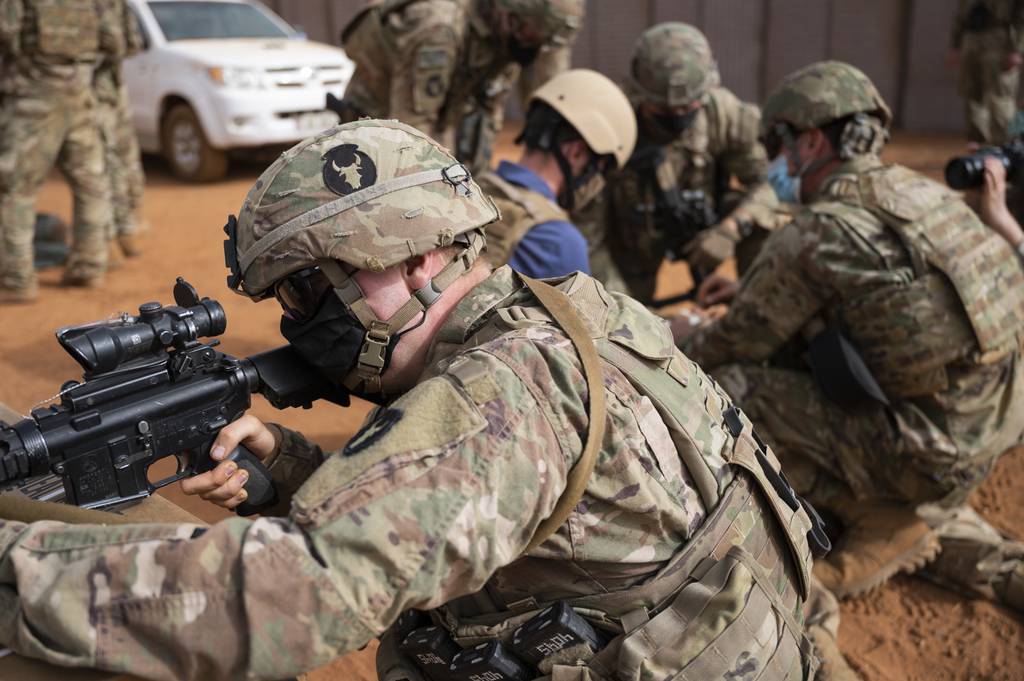
This grim reality was underscored on Tuesday when a small team of United States troops arrived in Nigeria to support counterterrorism efforts.
Tragically, their arrival coincided with one of the bloodiest terror attacks recorded this year.
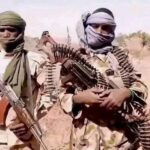
On the same day, bloodthirsty Boko Haram and Lakurawa insurgents massacred at least 162 people in Woro and Nuku communities in Kaiama Local Government Area of Kwara State.
The coordinated assault has since been described as the deadliest attack yet this year.
Amnesty International estimates that more than 170 people were killed in the two villages. The rights group rightly condemned the security lapses that enabled the carnage as unacceptable.
It revealed that the attackers had issued warning letters to residents for more than five months without any effective security response.
Eyewitness accounts paint a chilling picture. Gunmen suspected to be members of the Lakurawa group, an Islamic State affiliate, reportedly rounded up villagers, bound their hands behind their backs and executed them in cold blood.
Homes and shops were torched, leaving entire communities reduced to ashes. This was cruelty in its most barbaric form.
Many residents fled into the bush with gunshot wounds. Survivors said the terrorists had demanded allegiance to Sharia law instead of the Nigerian state. When the villagers refused, the killers struck.
The Kwara carnage was not an isolated incident. The country’s worsening insecurity was simultaneously felt in Katsina, Plateau, Benue and Borno states.
In Doma A and Doma B communities of Faskari Local Government Area in Katsina State, bandits slaughtered another 21 people on Tuesday.
In Benue State, the grim toll continued in Abande village, Kwande Local Government Area, where bandits murdered 17 people at a rural market, including a mobile police officer.
These repeated massacres expose Nigeria’s lack of capacity to protect its citizens.
The federal police force has become a hollow institution, weakened by years of neglect and the illegal deployment of nearly two-thirds of its personnel to VIP protection. Even a presidential directive to withdraw officers from elite protection has not been fully obeyed.
Across vast rural areas, there is little or no police or government presence. Terrorists now operate with impunity, collecting levies, abducting residents, and enforcing parallel authority.
Unsurprisingly, Nigeria now ranks sixth on the 2025 Global Terrorism Index.
Against this backdrop, US involvement has intensified. Last month, Washington announced the delivery of critical supplies to support Nigeria’s security efforts.
On December 25, US forces carried out airstrikes against Islamic State-linked terrorists in Sokoto State. Several fighters were killed, while others fled targeted locations.
The Donald Trump administration had earlier accused the Nigerian government of failing to protect Christians from terrorist violence, designating Nigeria a Country of Particular Concern.
Since 2009, Boko Haram, Islamic State West Africa Province and other terror groups have devastated Nigeria, particularly in the North. Vice-President Kashim Shettima estimates that more than 100,000 people have been killed, while millions have been displaced.
Following the December airstrikes, Trump indicated that further US military action was possible.
The head of the US Africa Command, Dagvin Anderson, confirmed that the current deployment followed an agreement to deepen cooperation against escalating terrorist threats across West Africa.
Defence Minister Christopher Musa said the US troops would assist Nigeria primarily with intelligence and training.
It is hoped that the deployment will enable decisive counter-offensives that degrade terrorist networks wherever they operate.
The killings in Katsina occurred despite peace deals previously brokered between bandits and communities in 11 violence-prone local government areas, including Faskari. This exposes the futility of negotiating with terrorists who view compromise as weakness.
Clearly, US intervention has come at a critical moment. But Nigeria must not delude itself into thinking salvation has arrived. The government must maximise this security cooperation and avoid the mistakes seen elsewhere, where foreign interventions deepened instability instead of resolving it.
Nigeria should broaden partnerships with other allies, including the United Kingdom, while recognising that US involvement is driven by enlightened self-interest, not charity.
Equally important is vigilance against fifth columnists within Nigeria’s security architecture who leak sensitive information to terrorists.
Ultimately, foreign assistance can only buy time. Nigeria must rebuild its own security capacity if it hopes to contain and defeat the scourge of terrorism threatening its existence.