
Nigeria´s consumer inflation surged to a 17-year high in August 2022, Nigeria’s Nigerian National Bureau of Statistics (NBS) said on Thursday.

The NBS reported in its latest consumer price index that inflation rose to 20.5% in August, up from 19.6% in July this year and 17% in August last year.
It is the seventh consecutive monthly increase in Nigeria’s inflation this year and the highest since 2005.
The latest inflation figure, which signals more hardship for citizens and businesses in Africa’s largest economy, was driven by “a disruption in the supply of food products, an increase in import cost due to the persistent currency depreciation and a general increase in the cost of production,” the statistics agency said.
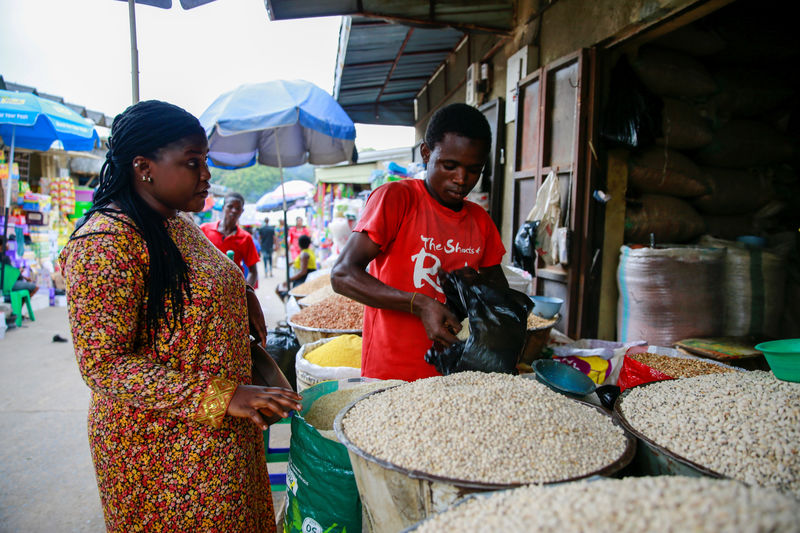
To drive home the point on the hardship the citizens are facing to feed, the food inflation rate in August 2022 was 23.1%. The increase was blamed on the increases in prices of some of the most common food items in Nigeria including bread, cereals and tubers.
The 17-year high consumer inflation – more than double the Central Bank of Nigeria´s 9% target – draws more concerns of hardship from citizens and businesses in Nigeria, a country of more than 200 million people.
Despite being Africa’s largest economy and one of the continent’s top oil producers, corruption, insecurity and lack of good governance have caused economic hardship to many in this West African country.
Analysts also see “external shocks” from the war in Ukraine as a contributing factor to Nigeria´s growing inflation. With the rising price of oil and gas, for instance, “our importation numbers and payment of subsidies have gone up, impacting the price of retail petrol which is key to businesses in the Nigerian market,” said Ese Osawmonyi with the Lagos-based SBM Intelligence research firm.
The security challenges which have led to the death of thousands in the last year in Nigeria’s north have also further pushed food inflation higher by limiting supplies from some of Nigeria’s biggest food-producing states, said analyst Osawmonyi.
That is in addition to fears that floods – which have displaced many homes and damaged crops across huge swathes of farmland in Nigeria’s north – might further impact food prices.
The flour market is one of the worst hit by rising inflation in Nigeria. Some bakeries are now shutting down operations amid dwindling profits, according to Emmanuel Onuorah, who runs a bakery in the nation´s capital, Abuja.
“People are closing,” Onuorah said of the hardship faced by bakers and other businesses. “It is no longer profitable for us. You just sustain yourself.”