
By Uche Nworah, Ph.D

Students and branding enthusiasts do not need to look far to understand the true power and influence of personal branding-Peter Obi offers a compelling example.
Just as products, services, organizations, and even nations can become brands, individuals too can establish themselves as powerful brands. However, building a personal brand does not happen overnight. It is a deliberate, conscious, and consistent process.
A strong personal brand must be rooted in substance-often grounded in virtues such as honesty, courage, truthfulness, consistency, and integrity. These are the qualities that inspire trust, loyalty, and followership.
Peter Obi’s political journey illustrates this clearly. When he moved from the PDP to the Labour Party ahead of the 2023 presidential election, many strategic politicians aligned with him and benefited from what became popularly known as the “Peter Obi Wave.” His influence significantly boosted the visibility and political fortunes of those who moved with him.
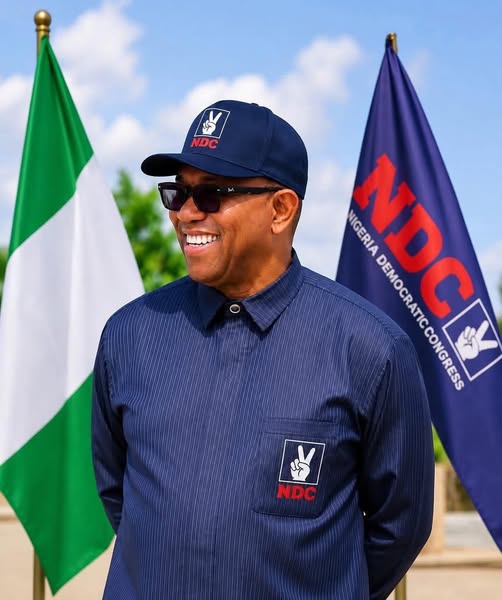
Later, when he left the Labour Party for the ADC, politicians once again followed in hopes of benefiting from his established brand strength. Yet many were reportedly caught off guard by his eventual last-minute move from the ADC to the NDC, triggering a frantic rush by supporters and politicians to register before the deadline. Reports even suggested that the surge in traffic caused the party’s website to crash.
Clearly, many who align themselves with Peter Obi may continue to benefit politically from the strength of his personal brand and may even secure electoral victories because of it.
But this raises an important question: while many may benefit from another person’s brand today, are they intentionally building strong personal brands of their own- brands capable of inspiring others tomorrow and creating value others can benefit from? Or are they merely seeking short-term advantage?
Beyond politics, there are individuals in other fields who have successfully built enduring personal brands both locally and internationally.
Oby Ezekwesili, for instance, has cultivated a formidable reputation as a principled and moral crusader since her days as “Madam Due Process” during the Obasanjo administration.
Dr. Ngozi Okonjo-Iweala has built a globally respected brand as an astute financial administrator and economic leader.
Similarly, the Governor of Abia State, Alex Otti, is steadily building a reputation as an advocate of good governance.
These examples serve as food for thought. Personal branding is not merely about influence today, but about building a legacy of trust, value, and credibility that can endure over time.
Uche Nworah, Ph.D, is a Visiting Lecturer, School of Postgraduate Studies, Department of Mass Communication, Paul University, Awka