
By Obinna Chima, Editor, THISDAY Saturday

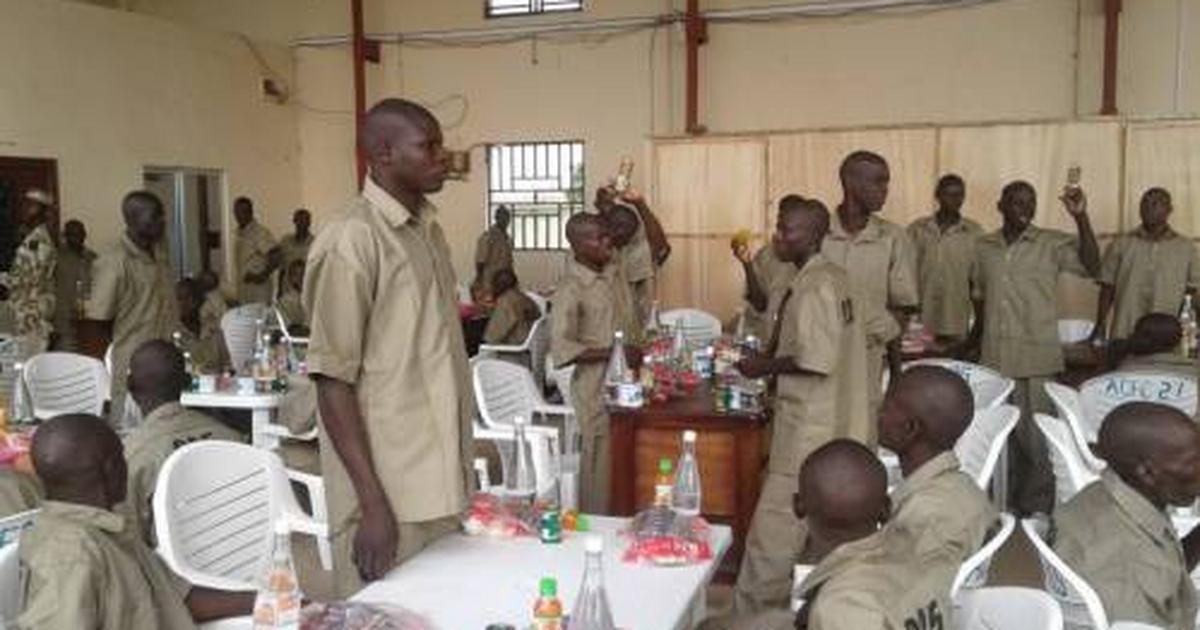
The recent decision by the Borno State Government to reintegrate 720 men who were formerly alleged to have been involved in acts of terrorism, their 992 spouses, and 2,050 children, who were said to have repented, deradicalised and rehabilitated in Maiduguri, has continued to attract outrage.
According to the state government, during the programme, the repentant insurgents were made to swear by the Holy Quran never to return to their old ways before they were given a second chance in their communities.
The Special Adviser to Governor Babagana Zulum on Security, Brig-Gen Abdullahi Ishaq (rtd), said, the event marked another milestone in the Borno Model Non-Kinetic approach to the fight against terrorism in the Northeast as well as the country in general.
“It has been a success story since 5th July 2021, when the good people of Borno State, under the stewardship of our dynamic leader, Prof. Babagana Umara Zulum, agreed to forgive and accept their sons who are willing to drop arms and embrace peace.
“Today, the Borno Model is adjudged to be one of the most effective non-kinetic programmes in the history of mankind, with over 350,000 persons that willingly exited the bush and surrendered to the military.
“A total of 720 men, 992 spouses, and 2,050 children who had repented and surrendered to troops are to be reintegrated after many of them were deradicalised, disarmed, and rehabilitated at the Hajj Camp in Maiduguri and acquired various skills.
“Their way back from the bush began with a call from their colleagues encouraging them to surrender, embrace peace, and re-unite with their parents,” Ishaq said.
He added that those affected had hitherto exited from the bush and reported to the nearest military location for initial profiling, and those with weapons surrendered them to the troops.
While the Borno State Government, just like some other states in the northern part of the country, say programmes of this nature, which align with the Nigerian Army’s ‘Operation Safe Corridors,’ have persuaded thousands of insurgents to abandon violence and embrace peace, it reignites a national debate over the wisdom and long-term implications of granting former terrorists a second chance.
Beyond the emotional outrage it has provoked, the development raises profound questions about justice for victims, safety of communities, effectiveness of deradicalisation, and ultimately, what kind of future Nigeria seeks to build in its battle against terrorism.
The issue, therefore, is about balancing peace with accountability and determining whether reconciliation can secure a more stable and united Nigeria. It also raises difficult questions about national security and morality.
For over a decade, terrorism has left deep scars across the country. Thousands of innocent Nigerians have been murdered. Women have been widowed. Children have been orphaned. For instance, in Oyo recently, a teacher was beheaded by his abductors, just as several others have been killed in Borno, Kogi, Kwara and Zamfara STATES, among others, over the years. We have seen communities in Niger, and Kwara States displaced. Schools have been destroyed. Farms have been abandoned. Dreams have been buried. Families have been shattered.
With all these painful memories and enduring scars, can a nation truly heal when those who inflicted such unimaginable pains are rewarded with freedom, rehabilitation and opportunities, while victims and their families remain trapped in grief, poverty and neglect? How will many of our gallant soldiers that bear visible marks from battles with bandits and others with distasteful memories feel seeing those that harmed them asked to walk freely? What message are we passing to families of those soldiers that paid the ultimate price in service to our country? These questions which are begging for answers, speak to the future of Nigeria.
Violent crimes in their myriad forms, leave an indelible mark on individuals and society as a whole. They are pervasive forces that touch lives in ways both seen and unseen, often with consequences that ripple far beyond the initial act. The bruise fades, but the invisible wounds carved by violence can echo through generations, reshaping minds, breaking bodies, and unravelling the very fabric of communities.
These victims deserve justice. They deserve support. They deserve to know that the country values their pain. Unfortunately, the current policy on repented terrorists sends a different message.
Rear Admiral Dickson Olisemelogor, a retired naval officer, in a recent newspaper interview, captured it aptly when he warned that such reintegration programmes could be a ploy by perpetrators of insurgency to gather intelligence and infiltrate security agencies.
He explained: “The idea of reintegrating de-radicalised deviants into society is good. However, what I see in our own case is disengagement rather than deradicalisation. The boys are pulled out of their groups and given some soft landing by engaging them in various government agencies without addressing the causes of their anger. To me this is a big mistake.
“Deradicalisation entails changing the person’s ideology and must be seen over a period of time that the person has actually changed. Additionally, the person’s grievances must be addressed like issues of unemployment, land dispute, religious intolerance, etc.
“As far as I am concerned, most of the so-called repentant Boko Haram boys are not de-radicalised because they come out when military pressure or hunger knocks hard on them. Some are purposely sent to gather intelligence and infiltrate security agencies. This is the reason they return to their old group or even form a new terror group once they have the opportunity.”
Also, a Kano-based businesswoman, Aminat Saudi, who reportedly lost six of her relatives in Borno State due to activities of the insurgents, questioned the moral balance of the programme.
She said: “Aside from fears that this repentant approach could be part of the terrorists’ strategy to infiltrate sectors of the economy, no one is talking about the victims of their wicked act.
“What happens to the families of those killed by the repentant terrorists? What happens to the houses burnt, farmland destroyed and those who are living with parts of their bodies dismembered? Who refunds the ransom paid by victims of these so-called repentant terrorists? Until these questions are addressed, the Safe Corridor philosophy won’t be seen as anything other than being sympathetic to terrorists.”
Indeed, no country can build lasting peace by ignoring the cries of victims. Peace without justice is merely silence.
The family whose breadwinner was slaughtered does not easily understand why the killer should receive rehabilitation and empowerment. The widow whose husband was executed before her eyes struggles to comprehend why those responsible should be reintegrated into society without visible consequences. The child who lost both parents may see such policies as a betrayal.
Several countries in Africa battling violent crimes have experienced recidivism among former extremists whereby some of those that claimed to have repented later went back to join their former terror groups and became a problem to the society. We cannot afford such risks.
Terrorists who genuinely repent should face transparent judicial processes. Confessions should be verified. Accountability should be visible. Restitution should be explored where possible and if possible, the communities should have a voice in decisions affecting them. Real peace is built on justice, trust and accountability, because a country that appears to reward perpetrators of violent crimes weakens social trust.