
By Group Captain Sadeeq Garba Shehu Rtd

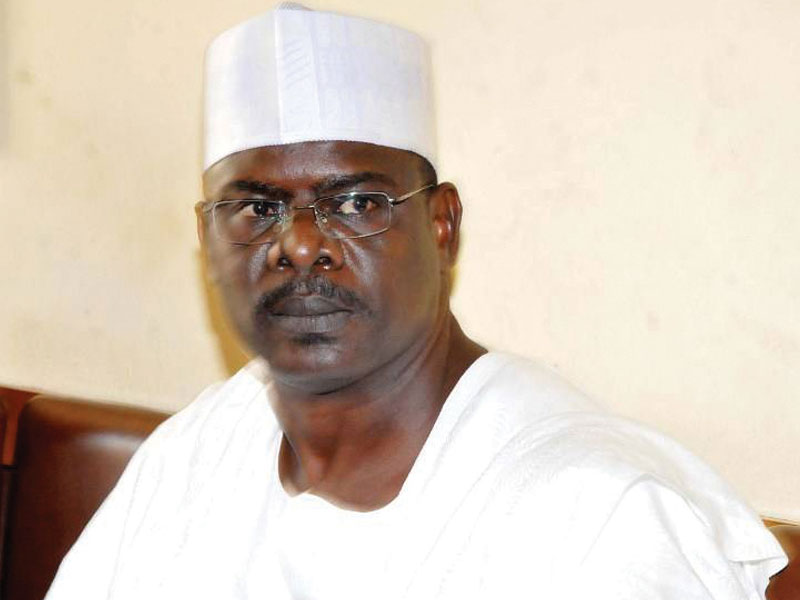
The report (thanks to Senator Ali Ndume) that Nigerian troops reportedly withdrew from parts of Borno State due to shortages of ammunition is not just troubling – it is a grave national security concern. In the midst of a protracted insurgency, such a development points to a serious breakdown, not merely at the operational level, but within the broader system that supports and sustains military effectiveness.
When this concern is raised by a senior legislator, such as Senator Ali Ndume, (Chairman/Member of Senate Committees of Army/Defence for the past 15 years) it deserves attention. But it must also invite scrutiny.
Senator Mohammed Ndume, who has at various times served as Chairman or member of the Senate Committees on Defence and Army, has been part of Nigeria’s defence oversight architecture for well over a decade – essentially throughout the lifespan of the insurgency. Similarly, former Senate President Ahmed Lawan, also from the same besieged North-East and a long-standing member of Defence-related committees, has been a central figure in the same oversight ecosystem. This is not incidental. It is consequential.
For over 15 years, these committees headed by these two prominent North East Senators, have examined, shaped, and approved military budgets. That responsibility is not ceremonial – it is constitutional. It is at this level , Distinguished Senator ,that critical questions are meant to be asked by YOU . Questions such as:
a. Are operational needs – such as ammunition, logistics, and sustainment – adequately funded? What percentage of total budget?
b. Are resources being diverted into non-essential or duplicative projects?
c. Is the balance between personnel costs and combat readiness sustainable? Global best practice teaches that only 25 -40% maximum of military budget should go to personnel costs.
Yet, over the same period, we have witnessed under Senate oversight with Ndume and Lawan as permanent members:
a. The proliferation of military-owned universities and commercial ventures.
b. Expansion into non-core institutional activities and a budget structure increasingly dominated by personnel costs.
With approximately 70–76% of defence expenditure reportedly going to salaries and allowances, the imbalance is stark. Globally, effective military budgeting typically keeps personnel costs within 25–40%, preserving sufficient funding for equipment, maintenance, training, and ammunition stockpiles.
When this balance is distorted, the consequences are predictable: you end up with a force that may be adequately paid, but insufficiently equipped for sustained operations.
This is why the present expression of concern by Senator Ndume while valid in substance, must also be examined in context.How much of the blame goes to him as a permanent member of Defence and Army Committees for as long as this insurgency has raged.
Oversight is not about reacting after failure – it is about preventing failure. For 15 years, budgets passed through the same institutional filters chaired by Ndume and former SP Lawan . Trade-offs were made. Priorities were set. Approvals were granted.
So the unavoidable question is: What level of legislative diligence accompanied those approvals?
It is particularly difficult to ignore that some of the longest-serving overseers of Nigeria’s defence spending come from the very region most devastated by the insurgency. That reality should have translated into sharper vigilance, more rigorous scrutiny, and an uncompromising insistence on operational readiness.
To be clear, raising the alarm NOW is not wrong—indeed, it is necessary. Nigerians deserve transparency. But transparency must be accompanied by accountability, and accountability must be consistent, not episodic.
At this moment, what the country requires is not selective outrage, but institutional reflection:
a. What budgets were approved over the years?
b. What trade-offs were accepted or overlooked?
c. Were warning signs identified—and if so, what was done?
d. If what Ndume said is true, is Senate or FG investigating how soldiers were caught in a firefight without ammunition?
And most importantly, how will this be corrected to ensure that no Nigerian soldier is ever again forced to withdraw for lack of ammunition?
Because in matters of national defence, shared responsibility cannot be selectively remembered.
Anything less risks reducing a serious national security failure to what may appear—fairly or unfairly—as performance for the gallery by a Senator rather than performance of effecrive oversight legislative duty.
Finally, the questions to be asked, which if not answered leaves any other discussion unnecessary are the following:
Should we applaud Sen Ndume for revealing this NOW, or should we interrogate him about what he has been doing as Chairman/Member of Defence and Army Committees for the past 15 years? What kind of budget have the legislature been approving? What has the legislature been oversighting that Army has budgets that prioritize military universities, business companies but left out ammunition???
NB: To be fair, I had raised this issue of lack of effective oversight of military budget with @Senator Mohammed Ali Ndume the only time I met him during a BBCHausa interview.
Group Captain Sadeeq Garba Shehu (rtd) is a Security & Defence Analyst/Conflict Security & Development Consult Ltd