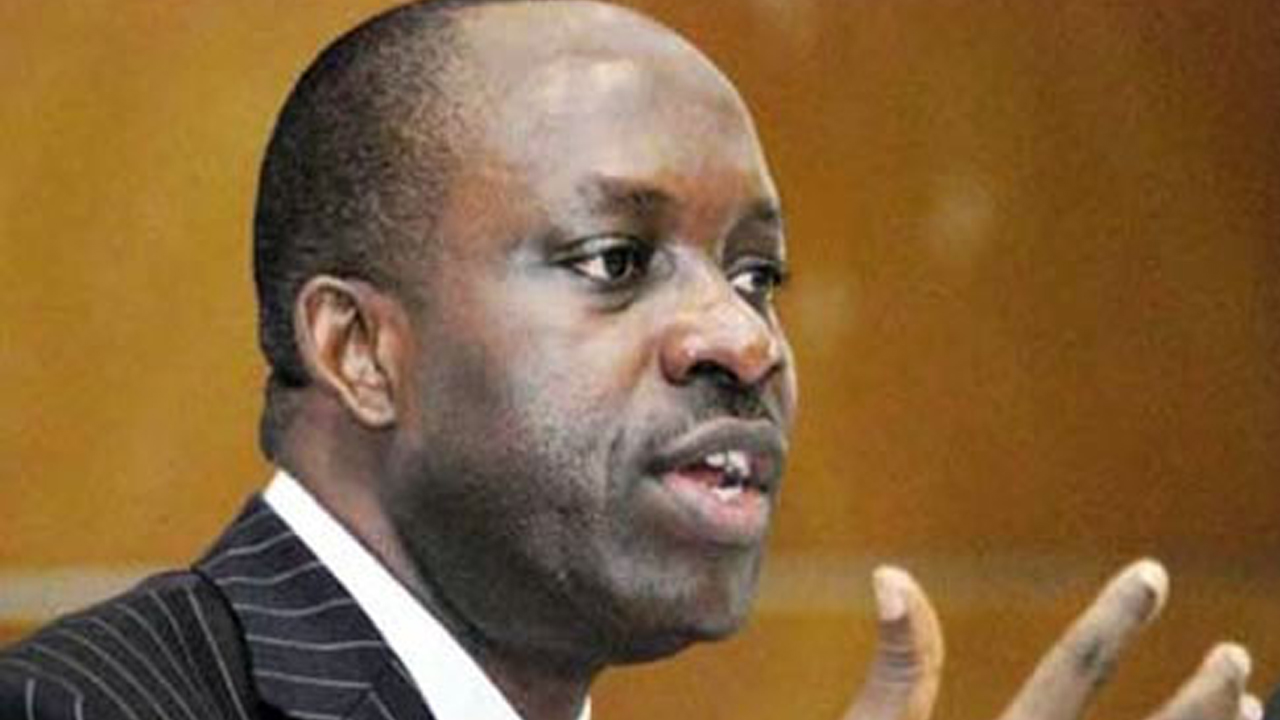

The government of the United Kingdom (UK) on Thursday offered its congratulations to Professor Chukwuma Charles Soludo for being declared winner of Saturday’s Anambra State Governorship election.

In a statement released by the British High Commission, Abuja, the UK government said that by the conduct and outcome of the election, “the people of Anambra have demonstrated resilience and a commitment to democracy.”
The full statement reads: “We offer our congratulations to Prof. Charles Soludo who has been declared winner of the Anambra State governorship election. We note that the results released by the Independent National Electoral Commission are consistent with the results obtained through the civil society Parallel Vote Tabulation process carried out by YIAGA Africa.
“Our mission, which observed the preparations for the poll, acknowledges the collective effort of stakeholders in the conduct of the election. The people of Anambra have demonstrated resilience and a commitment to democracy.
“We recognise that independent Nigerian voices have expressed concerns about the conduct of the electoral process, in particular around logistics, accreditation of voters, deployment of polling officials, and low voter turnout. The UK is encouraged by the use and transparency of INEC’s result viewing portal in the electoral process.
“We encourage any party or individual who is dissatisfied with the process to seek redress in a peaceful manner and through the appropriate legal channels.
“As a long-standing partner of the Nigerian people, the UK will continue to support Nigeria and its civil society in drawing lessons from these elections and the deepening of its democracy, including the integrity of its elections.”
Speaking after the election, the British High Commissioner, H.E. Catriona Laing, said: “Credible and inclusive elections are fundamental to Nigeria’s democratic growth. I encourage INEC and all stakeholders to continue improving the electoral system and to ensure meaningful participation of young people, women and citizens generally in the democratic process”