
Daily Trust Editorial, Thursday June 11, 2026

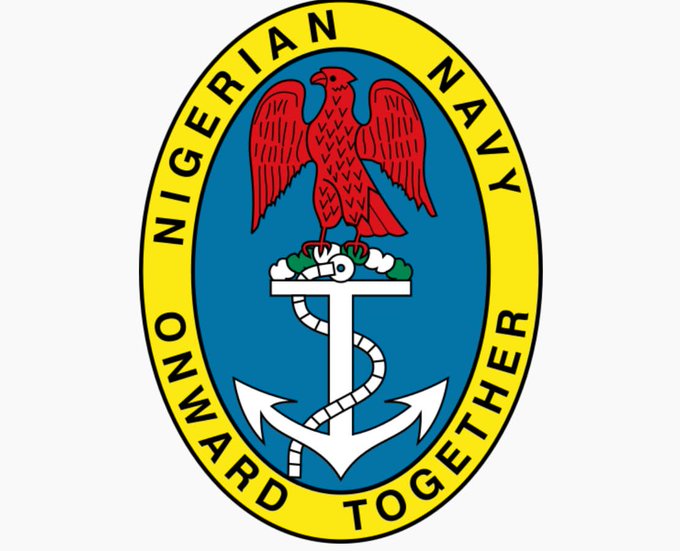
On June 4, 2026, at the Eko Atlantic Waterfront, Lagos, President Bola Tinubu presided over the climax of Nigerian Navy’s 70th Anniversary by commissioning three Nigerian Naval vessels: NNS Oloibiri, NNS Mambila, and NNS Gurara. Apart from his role as the Reviewing Officer of the 2026 International Fleet Review, the President also inaugurated the new Combined Maritime Task Force (CMTF) for the Gulf of Guinea, a major milestone for the region’s maritime security.
Being the first African-led combined maritime security effort, the CMTF, with headquarters in Lagos, brings together naval forces from Nigeria, Ghana, Liberia, Sierra Leone, Côte d’Ivoire and The Gambia in order to more proactively respond to instances of piracy and other maritime crimes, while also supporting regional peace and humanitarian initiatives.
Daily Trust joins Nigerians in congratulating the Nigerian Navy on its platinum jubilee celebration of decades-long commitment and sacrifice in safeguarding Nigeria’s maritime domain and protecting the nation’s economic interests.
Praising the Navy’s achievements, President Tinubu stated that by its operations, it has significantly boosted oil production, improved national revenue, and strengthened investor confidence in Nigeria’s maritime sector through combating piracy, crude oil theft, illegal fishing, maritime smuggling, and other transnational crimes in the Gulf of Guinea.
“Beyond the maritime domain, I also commend the Nigerian Navy for its contributions to counterterrorism and counterinsurgency operations across the country. The courage and professionalism demonstrated by the Special Boat Service in executing complex missions are truly commendable.
“More so, with the recent induction of the Nigerian Navy Marines into operational theatres, I am confident that even greater successes will be recorded. Indeed, the Nigerian Navy has become an indispensable pillar of both national and regional security,” the President said.
Officially established on June 1, 1956 as the Nigerian Naval Force (later Naval Defence Force), it had about 250 personnel and 11 inherited vessels from the colonial Marine Department. In 1964, the Navy Act formalised its roles, expanding beyond territorial waters (initially limited to 3 nautical miles) to include naval defence, customs assistance and hydrographic surveys.
Its first major task was playing crucial roles through blockades especially in the Bight of Bonny and support for ground operations, contributing significantly to the victory of the federal government forces against the then breakaway Biafran military. In the last few years, the Navy has fostered a strategic sea-lift agreement with the African Union and played key stabilising roles in ECOWAS missions in Liberia, Sierra Leone, The Gambia and Guinea-Bissau.
Indeed, the Navy has grown from a fledgling coastal defence force into Africa’s strongest and largest naval force, leading regional security. From the 1990s to 2000s, it embarked on modernisation efforts focused on combating oil theft and piracy while establishing structures like the Naval Dockyard (for maintenance and limited shipbuilding).
In the last few years, it has acquired Offshore Patrol Vessels (OPVs) , drones, and other marine capabilities; locally constructed vessels such as NNS Andoni just as it added platforms like ex-US Coast Guard cutters. By 2006, it established the Special Boat Service (SBS) for counter-terrorism, anti-piracy and special operations.
Ranked in 2026 as Africa’s strongest naval force by the Global Firepower Index with fleet of over 100 vessels and between 20,000 to 30,000 active service members, without doubt, the Navy has achieved significant milestones worthy of celebration.
In Q1 2022, through sustained naval operations, Nigeria exited the International Maritime Bureau (IMB) piracy-prone list. Since then, the country’s coastal waters have sustained a remarkable stretch of zero recorded piracy incidents. Its operations have helped destroy illegal refineries, seizing vessels, and arresting suspects, curbing oil theft.
In addition, it has safeguarded Nigeria’s Exclusive Economic Zone (EEZ), oil/gas infrastructure, trade routes, and secured waters which have supported exports, fishing, and maritime commerce. It has hosted multinational exercises (Obangame Express), participated in various maritime joint task forces and provided sea-lift for AU peacekeeping/humanitarian missions.
Onshore, it has also supported in Internal Security Operations (ISOs) against insurgency, banditry, and other threats across states including the reopening waterways for local economies. And as part of its civil-military relations activities, the Navy has contributed to the building of primary, secondary schools and other training institutions, operating hospitals, while establishing subsidiaries involved in shipbuilding, engineering, and other industries that are helping in boosting the economy.
While commending the Navy for its pursuit of maritime excellence that has helped it transform into a dominant regional power, Daily Trust urges it to enhance its capabilities through embracing emerging technologies and integrating cutting-edge advancements such as unmanned aerial vehicles and artificial intelligence in its operations in order to detect and swiftly respond to threats that may challenge the integrity of Nigeria’s waters.
We also urge that the recently initiated Gulf of Guinea CMTF should focus on permanently securing Nigeria’s regional interests, which will boost trade routes and the realisation of the blue economy as envisaged. Moreover, it is also important for the Navy to increase indigenous building of its platforms just as it establishes advanced domestic dry-dock facilities to ensure fleet self-sufficiency.
Daily Trust also insists that the Navy should not just be ready to protect Nigeria’s maritime interests but work to position itself as the lead anchor of Africa’s maritime security domain. This means its operational focus should drive it to expand from being the stabilising force in the Gulf of Guinea to the rest of Africa.