
By Daily Trust Editorial Board, July 23, 2026

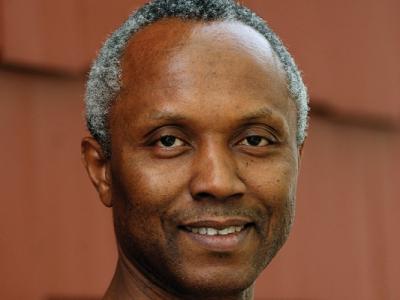
On June 1, operatives of the Department of State Services (DSS) detained and later released renowned U.S-based Nigerian writer Okey Ndibe at the Murtala Mohammed International Airport in Lagos. The DSS later denied arresting or detaining him, insisting that they had an interaction with him, as part of a routine process to remove his name from a long-standing watch list.
Ndibe, like many government critics, opposition figures, and journalists, had been on the SSS watch list. For him, it’s been since 2013. His case, according to the secret police, has now been reviewed and downgraded as part of an ongoing exercise to reassess and sanitise old Watch-List Actions (WLAs).
This development should mark a turning point. If the DSS is indeed sanitising its watch list, then the priority must shift from monitoring activists and journalists to populating the list with the names of bandits, terrorists, and other non-state actors who continue to destabilise Nigeria.
That was why it came as a welcome development when, three weeks ago, that Nigeria’s security operatives have arrested seven suspected members of Boko Haram and the Islamic State West Africa Province (ISWAP). The suspects had returned from the 2026 Hajj through the Umaru Musa Yar’Adua International Airport in Katsina State when they were detained.
The Minister of Interior, Olubunmi Tunji-Ojo, who announced this, said the suspects were handed over to the SSS. He attributed the success of the arrests to improvements in Nigeria’s integrated digital identity and border management system, noting that the country’s biometric identity database now communicates with immigration records and international security platforms.
For many Nigerians, the news was both a relief and a source of concern. Relief because the country is safer with the extraction of seven dangerous criminals who, hopefully, will face justice for their atrocities. Again, the deployment of technology, and specifically the use of the National Identity Management Commission’s (NIMC) ID, a system Nigerians have long advocated for in tracking criminals, is now coming to fruition.
But there are also concerns. The question many have asked is how terrorists slipped through the country’s security, departing on an international trip without being flagged by security screening? How many in the real sense departed the country and how many slipped back without detection? Most worrisome is whether these terrorists simply went for Hajj or met with other terrorist cells outside the shores of Nigeria.
There are too many questions and not many answers at the moment. The government is equally yet to disclose the identities of the seven suspects, but their arrest is a reminder that terrorists are not confined to forests. They blend into society, exploit religious and cultural opportunities and move across borders.
Therefore, the lesson from the Katsina arrests is clear: Nigeria’s security agencies must increase vigilance. They must be more proactive and technologically driven. The arrest of the suspects is proof that when deployed intentionally and appropriately, the National Identification Number (NIN) can play a decisive role in identifying and apprehending criminals.
But for this to work, there must be synergy among all government and law enforcement officials, especially state governments, the SSS and Nigeria Immigration Service (NIS). State governments, particularly in northern Nigeria, must exercise caution in the release of huge sums of money for Hajj sponsorship. While this is not an indictment, there is a possibility that in states ravaged by banditry and where authorities sometimes negotiate with these criminal groups, such sponsorships could inadvertently benefit terrorists or their relatives.
Yes, monitoring of terrorists must extend to their relatives. Again, we do not advocate for the arrest of innocent relatives of criminals, as Nigeria’s law prohibits the arrest or detention of one person in place of another. But security agents must keep a close watch on these relatives, especially since terrorists also have families; they visit them, communicate with them, and in some instances, share vital information with them.
While these surveillances are ongoing, we call for more collaboration among the various state pilgrim agencies, the National Hajj Commission and Nigeria’s security forces in the screening of every intending pilgrim. We also urge the National Assembly to exercise stronger oversight over the management of Nigeria’s watch lists and biometric systems while committees on security and interior affairs must demand regular reports to ensure accountability.
Nigeria must also deepen cooperation with international partners, particularly Saudi Arabian authorities and Interpol, to track extremists who exploit religious pilgrimages or international travel. If Nigeria is to defeat terrorism, it must strengthen inter-agency synergy, legislative oversight, and global collaboration.